Home › CDL Classes
CDL classes explained: Class A, B, and C
The Commercial Driver's License is divided into three classes based on the weight of the vehicle and what is being towed or transported. Picking the right class — and the right endorsements — before you sit for the knowledge tests will save you time and money.
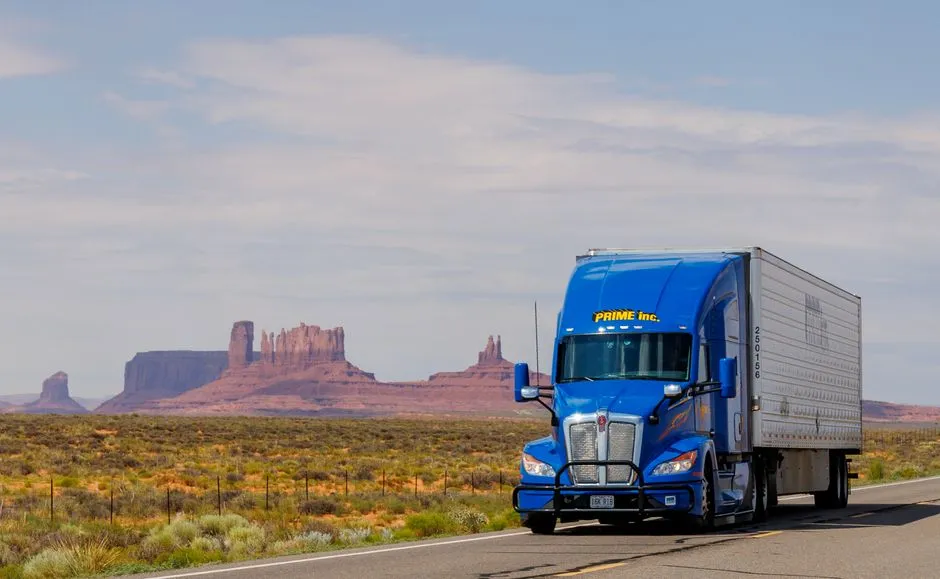
Class A CDL
A Class A CDL authorizes you to operate any combination of vehicles with a gross combination weight rating (GCWR) of 26,001 pounds or more, provided the towed unit weighs more than 10,000 pounds. In practice, Class A is the standard license for over-the-road truckers, container haulers, refrigerated freight drivers, and tanker drivers. With a Class A license you can also operate Class B and Class C vehicles, provided you hold the right endorsements (Passenger and School Bus require their own endorsements regardless of license class).
The minimum knowledge tests for a Class A are General Knowledge, Air Brakes (if your truck has them), and Combination Vehicles. Many drivers add Tank, Hazmat, or Doubles/Triples to expand their job options.
Class B CDL
A Class B CDL covers single vehicles with a gross vehicle weight rating (GVWR) of 26,001 pounds or more, or that vehicle towing another not exceeding 10,000 pounds. Straight trucks, large delivery trucks, dump trucks, garbage trucks, concrete mixers, large buses, and most school buses fall under Class B. With a Class B license you can also drive Class C vehicles.
The minimum knowledge tests for a Class B are General Knowledge plus Air Brakes (if applicable). Bus drivers add Passenger and, for school buses, the School Bus endorsement.
Class C CDL
A Class C CDL is for any vehicle that does not meet Class A or B but is either designed to transport 16 or more passengers (including the driver) or is used to carry hazardous materials in placardable quantities. Smaller passenger vans, smaller school buses, and smaller hazmat vehicles fall under Class C. The endorsements you'll need are Passenger, School Bus, and/or Hazmat depending on what you'll drive.
Choosing the right class
If you are starting from scratch and don't know what kind of driving job you want, get a Class A. It opens the most doors. If you already have a job lined up — for example, driving a city bus, a roll-off truck for a waste hauler, or a local delivery box truck — ask your employer which class they require. Some employers will pay for the upgrade later if you start with Class B and want to move to Class A.
Once you know your class, head over to your state's CDL hub to see the official DMV agency, fees, and the practice tests for every endorsement that fits your career path.